Jul 22, 2026
No Justice Without Accountability: Challenging Police Violence in Europe
Abderrahim Fakir died pleading for help from police.
Italy is facing outrage after the death of Abderrahim Fakir, a 42 year old Moroccan-born man who had lived in Italy since he was five years old, who died while being restrained by police in Bologna.
Video footage shows Fakir repeatedly crying as officers put him to the ground, and prosecutors have opened an investigation. We are demanding full accountability and transparency now.
“The police have to protect us. If someone is agitated, you have to calm them down. Not kill them like a dog,” said Fakir’s sister, Khadija.
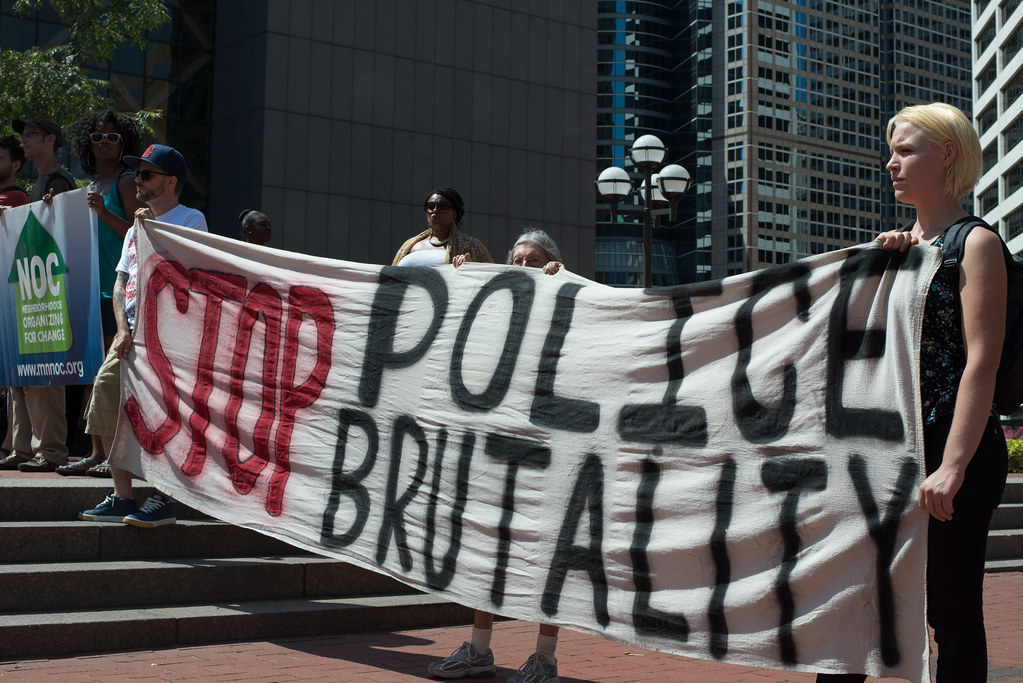
Thousands took to the streets in Bologna to demand justice, only to face tear gas and water cannons. We stand in solidarity with the protesters! George Floyd’s murder in the United States was not an isolated case. We need to put a stop to police violence, racial discrimination and demand accountability across Europe.
The death of Abderrahim Fakir is not only an Italian story. It is a reminder that structural racism is embedded in institutions and policies across Europe. Governments are expanding police and security powers while racialised communities continue to experience disproportionate policing, surveillance and violence.
At the beginning of this month, the French parliament voted in favour of a law protecting police officers that use lethal force, in a context where killings of young black men have multiplied in recent years, and offensive weapons used by the police during climate protests have resulted in deaths.
In Greece, police raids have been multiplying in a consolidated campaign targeting Roma people, with heavily armed police entering into Roma-majority neighbourhoods in complete disproportion with alleged offenses or criminality.
In Germany the government has in recent days massively expanded the powers of federal police, notably in surveillance, use of drones and AI and powers of incarcerating migrants. So far sweeping are these measures that they will be challenged in front of the German constitutional court, but in the meantime can be implemented. Amnesty international identified 2025 as a peak of lethal police violence in Germany, disproportionately affecting racialised and people living in poverty.
Democratic societies must have a say in how power is exercised, who is protected and who is exposed to systemic violence. Migrant and racialised communities continue to bear the greatest impact of increasingly securitised approaches to public order.
Through the TACKLE project and beyond, we are acting to address structural racism and discrimination. Building more democratic societies requires more than reacting to individual tragedies, it means challenging the systems that allow them to happen.