Creating a place for Artivism
By European Alternatives, Le Bruit Qui Court, School of Artivism
When we think of culturally significant protest moments or social actions of our time, what often fills the mind is the most creative and visually symbolic. Perhaps that includes La Barbe au Senat in Paris in the 2010s, Extinction Rebellion’s Red Rebel Brigade in London 2019, PETA activists pretending to be packaged meat in Times Square in 2010, red paint highlighting complicity of companies across the world in recent genocide, or the gilet jaune becoming the icon of wide social movements today in France.
We define these acts as Artivism (art + activism). Many question why this term has been created, why separate artivism from other forms of art, is art not inherently political? But these acts have a unique blend of methodologies; they are quick interventions designed to grab public attention, even shock, using artistic & creative practice as a tool to carry out their core activist goals. Artivism does not adhere to classical definitions or schools of art – one may say art seems secondary to the activist heart of the movement – or perhaps that the movement is redefining the importance of art – as a tool for social change and community first.
Artivist actions are a wide and transnational occurrence, and a fast-growing field of youth engagement, yet unlike the trainings and educationary programs one may find on the methodology of fine arts or activism, opportunities to learn the specific tools of artivism are rare. Where it exists, artivism is usually treated as “political art” rather than as a method for organising and acting. And we have never found transnational examples of such artivism training, young active artivist creators across Europe face similar struggles (housing, touristification, climate, the rise of the far right) but rarely meet, share tools or act together.
This realization pushed European Alternatives to team up with Fondazione Studio Rizoma and Le Bruit Qui Court – a french network of 30 artivists and trainers – to create the School of Artivism. A transnational space for young people to learn, experiment and build solidarity.
Here’s what that looked like:
The School
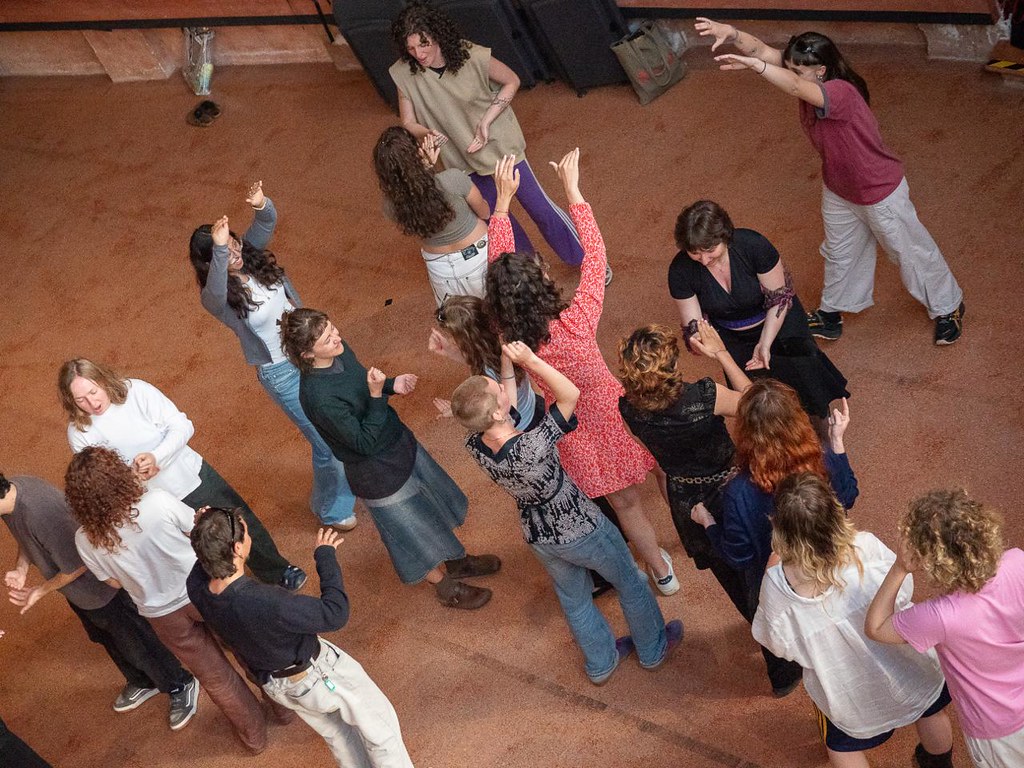
A week-long transnational training series on Artivism methodology, with our first year of 25 participants, and release of the program through creative commons.
A 3day off shoot school of artivism in Brno – the method is replicable!
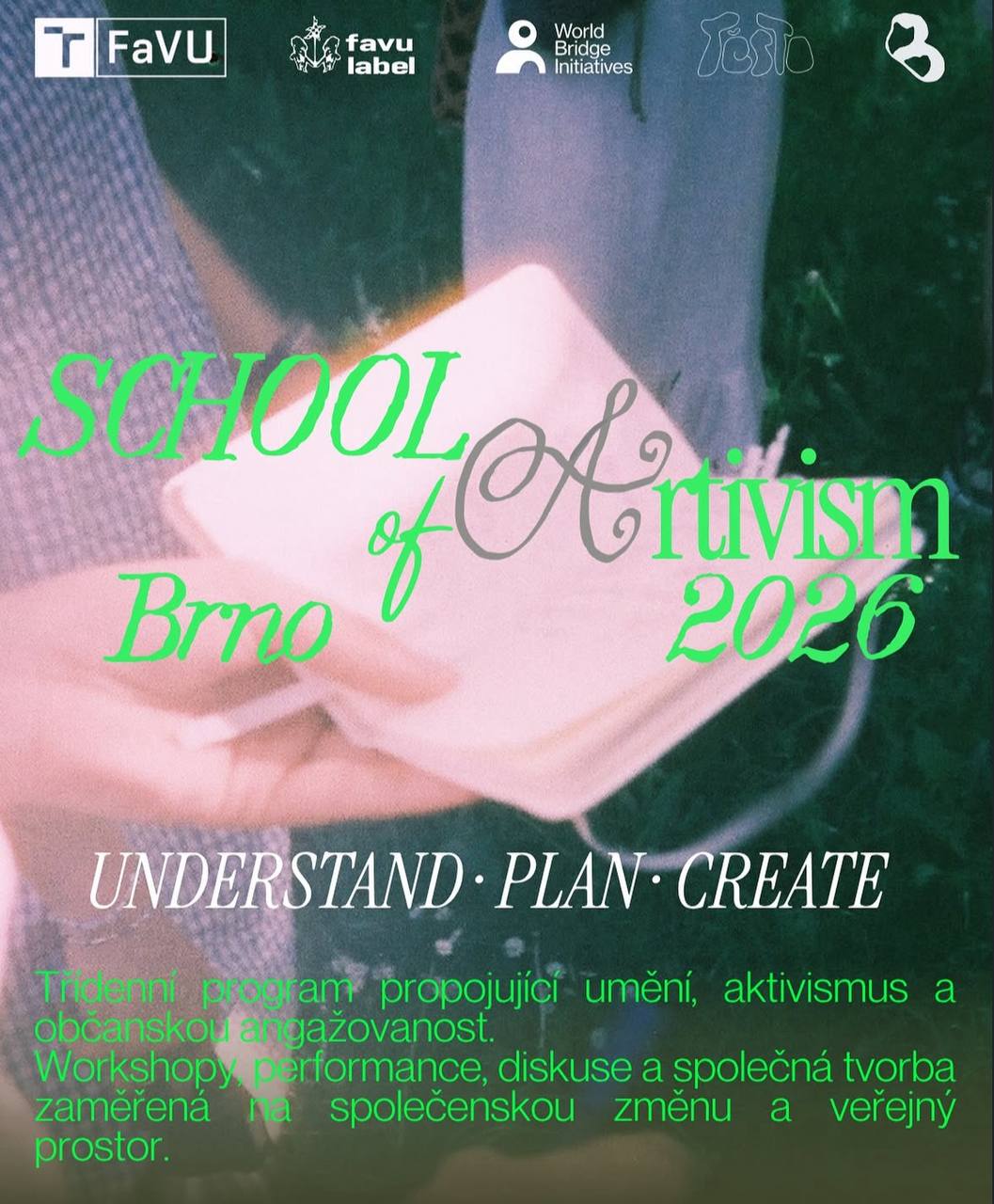
School of Artivism Brno (Czech Republic), 18–20 September 2026: a three-day school organised by a participant, about 20 participants and 6 workshop leaders, hosted and funded by the Faculty of Fine Arts of Brno University of Technology (FaVU VUT), with World Bridge Initiatives, FaVU Label and 360+ Lab.
Postcards against Tourism in Palermo
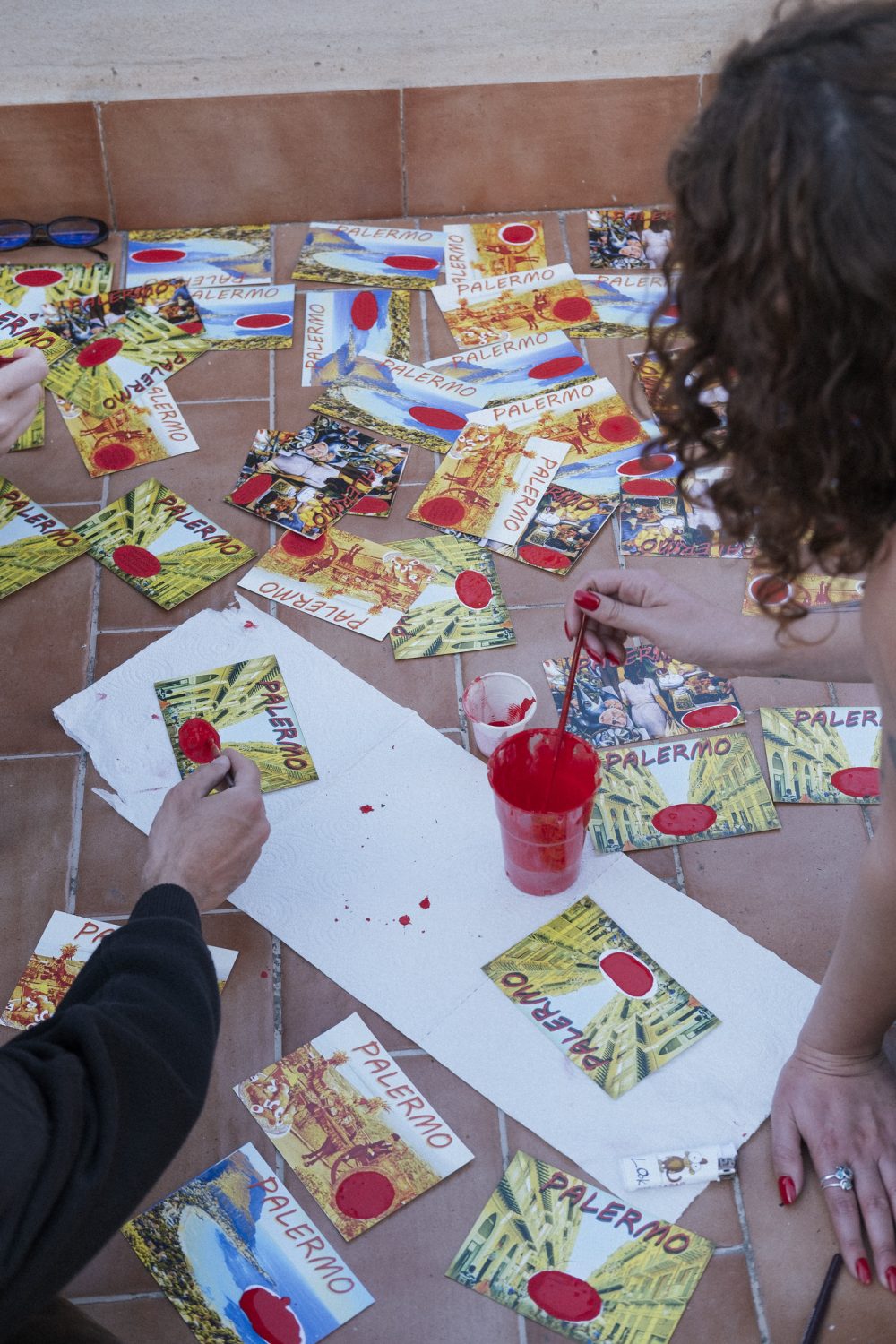
200 postcards hidden in touristic hot spots of palermo, with key messages & figures against touristification hidden within them.
Discussions in reclaimed public space
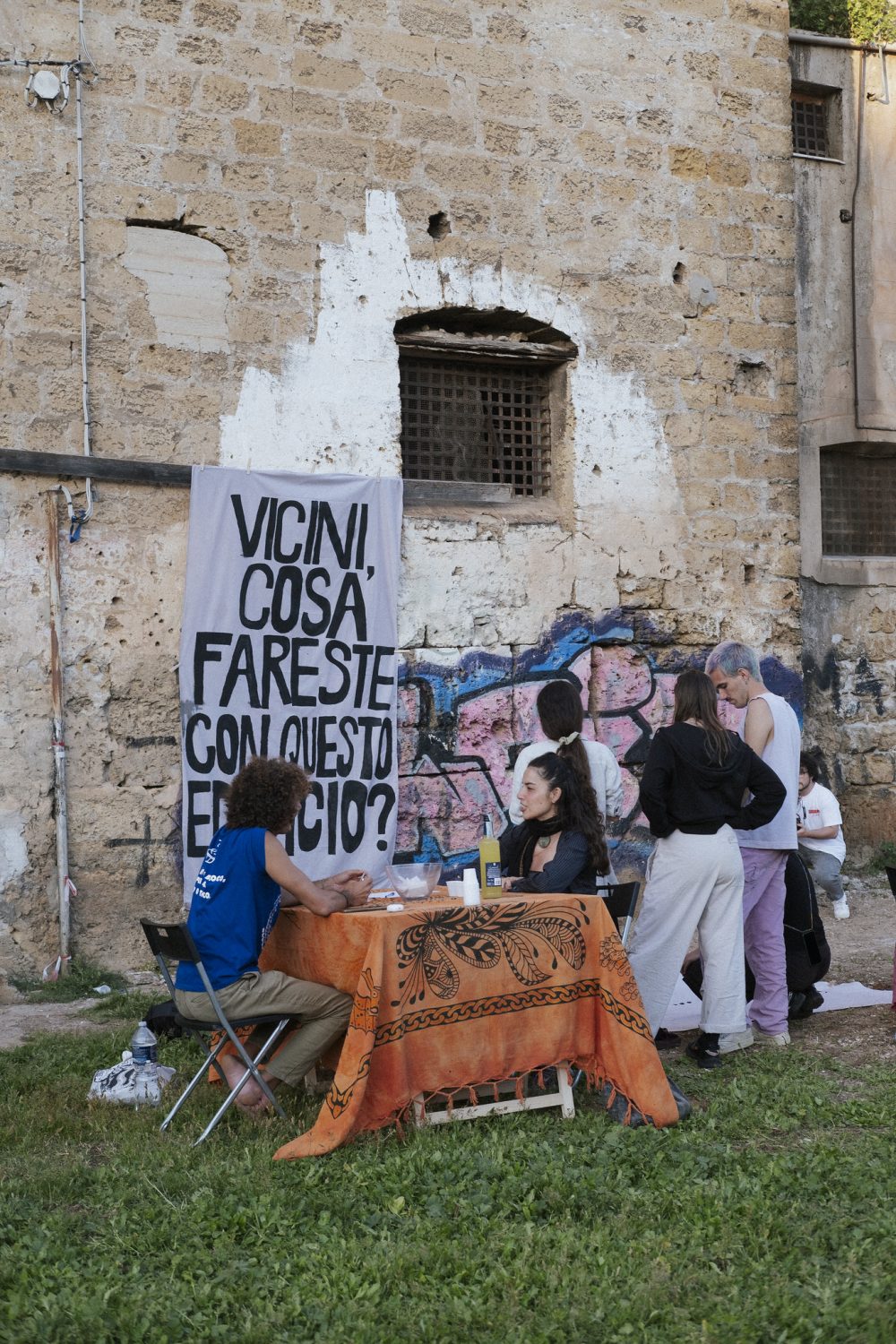
Conversations next to abandoned buildings in public space to find how they should be regenerated for local citizens.
Using voice & song as a tool for disruption to call for a billionaire tax and bringing ecology into policymaking in Sweden.
Creatures of Hungarian folklore against facism
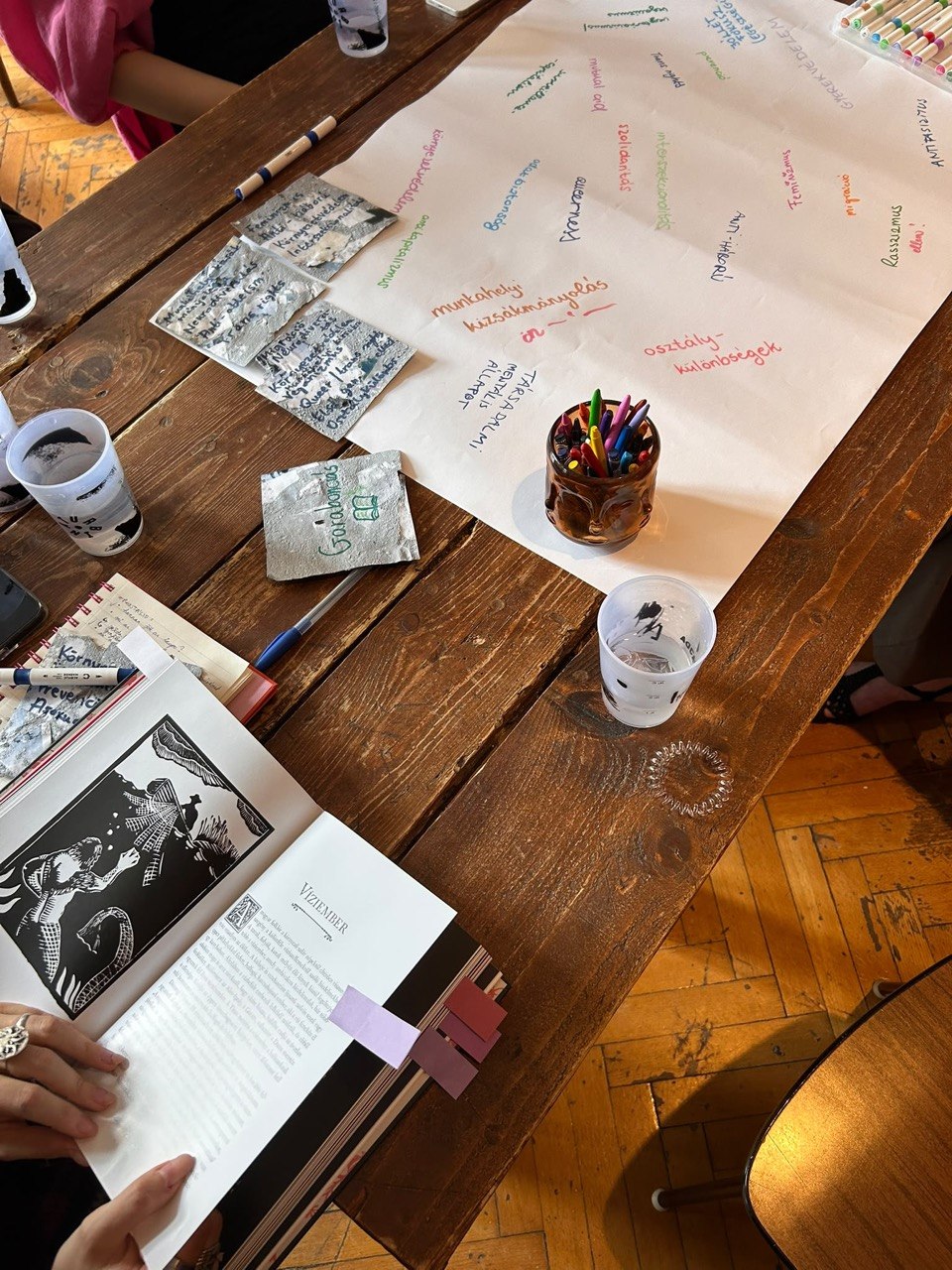
Artivism workshop in Budapest (Hungary), June 2026: 5–7 participants, reusing the residency’s brainstorming method with Hungarian folklore creatures to imagine interventions on today’s social issues.
Feel inspired to delve deeper into the practise of Artivism and prepare your own actions? Find the training materials on Le Bruit Qui Court’s webpage here, and follow our newsletter & socials to stay informed for future opportunities.