Oct 21, 2026
Youth rising in Europe
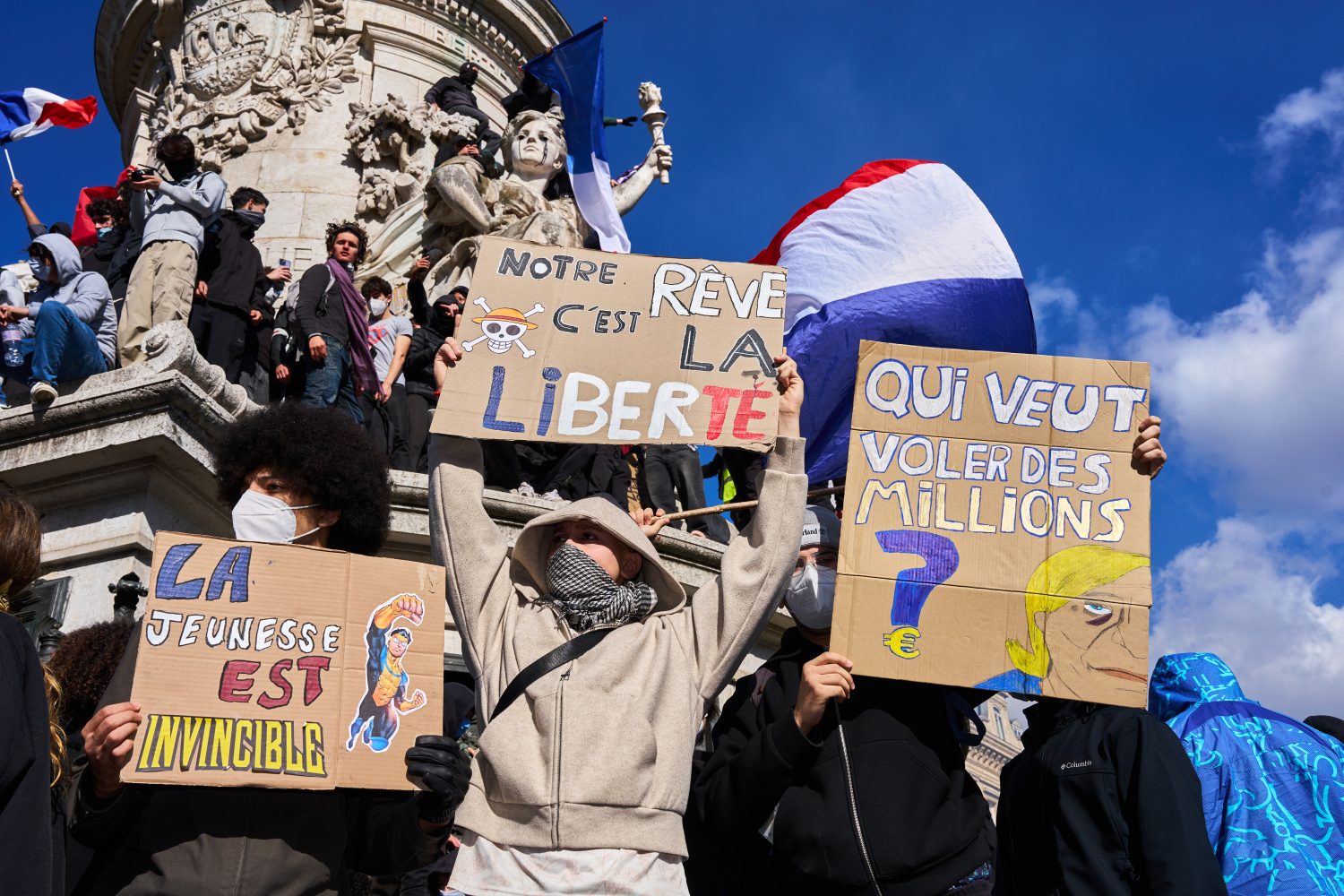
A generation is losing patience. From Paris to Tirana, young people are filling the streets and occupying their schools, angry about underfunded education, soaring living costs and a job market that offers them little. Each protest has its own roots, and no single organisation connects them. Yet the message is the same everywhere: the future we were promised is slipping away, and we want a say in how it is rebuilt.
For more than a month, France has been shaken by a movement that started in a school and now reaches the whole country. It began as a protest about under-funded high schools and has converged with trade unions and a fierce anti-austerity movement. Many of the organisers are very young, some just 14 years old. On Saturday, 550,000 people marched across the country according to authorities, and 800,000 according to unions and organisers. Teachers, nurses, firefighters, parents and workers joined the pupils, because the pupils said out loud what many people feel: that the discontent running through French society is about neglected public services, low wages, the rising cost of living and a government that seems to be incapable of listening.
Young people are protesting in other countries too, and Albania is one of the clearest examples. The so-called Flamingo Revolution began as a fight to save a protected lagoon from a luxury resort development built on a sold-off part of the coastline, and grew into a mass movement under the slogan “Albania is not for sale”. The students joined. On 13 October, students in Tirana protested over conditions at universities, the cost of higher education and the lack of jobs after graduation. Within days, the protests grew, and demonstrators began calling for the resignation of Prime Minister Edi Rama. They are met with huge police violence.
It is not only France and Albania. Across Europe, young people are rising, and the demands sound strikingly alike. In Serbia, students have been out on the streets for two years, ever since a railway station roof in Novi Sad collapsed and killed 16 people, and this month they are taking their fight into the voting booth. On 25 October, the Student List, a movement that grew out of the protests, faces Vučić’s party in an early general election. In Greece, teachers, students and, in some cases, parents are preparing to take to the streets against staff shortages, low pay and unsafe classrooms, adding their voices to the growing wave of youth unrest across Europe. The high cost of living also sparks protests in Italy echoing the protests in France. Protesters in Spain are calling for action on the housing crisis. And in Germany and Austria, early mobilisation is beginning.
We stand for transnational solidarity and against the repression by the state and the police. Young people who go to the streets to ask for schools they can learn in, homes they can afford, and a future they can believe in should be met with dialogue, not forceful repression. A government that treats young protesters as a threat to public order has already decided not to listen. We call for an end to dangerous crowd-control weapons, for independent investigations of every serious injury, and for the right to protest peacefully to be protected everywhere in Europe.
We refuse to let the headlines about burning cars and broken windows hide why hundreds of thousands of people marched. They are asking for education that is properly funded, with enough staff and decent buildings, and for housing that students can afford, with public housing and rent protection for young people. They are asking to be part of the decisions that shape their education, their work, their future.