Sep 24, 2026
Elif Eralp’s Victory in Berlin: What it tells us about Europe’s political alternatives
On September 20, 2026, Berlin made history. Die Linke (The Left), led by Elif Eralp, won the state election with around 25% of the vote — more than doubling the party’s 2023 result of 12.2% and overtaking the previously governing CDU, which fell from 28.2% to roughly 19%. It is the party’s strongest result ever in a Berlin state election, and puts Eralp, the daughter of Turkish immigrants who fled political persecution following the 1980 military coup, on course to become Berlin’s first female governing mayor from a migrant background.
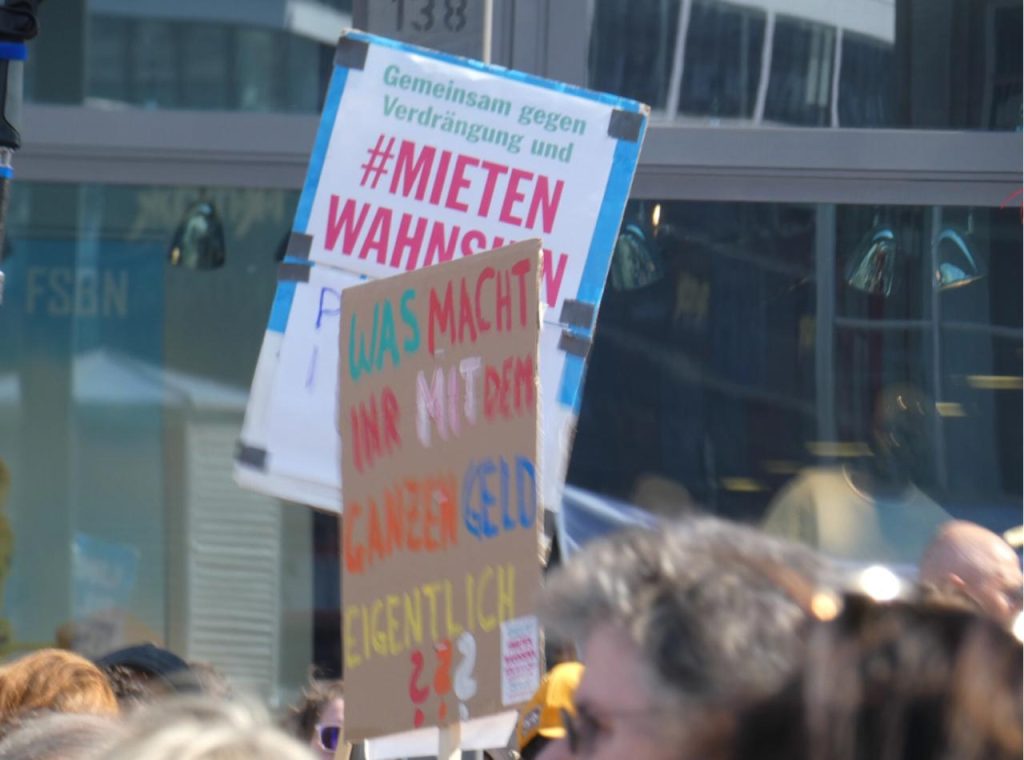
At the center of Eralp’s platform is Berlin’s housing crisis: soaring rents, a shrinking supply of affordable homes, and years of frustration with a market increasingly dominated by large corporate landlords. Her most striking proposal is to bring housing held by these large corporations under public ownership. This is genuinely contested, even within her own likely coalition partners, but it responds directly to a crisis that has defined Berlin politics for a decade and pushed housing further out of reach for ordinary residents with every passing year. It respects the result of the 2021 referendum on this issue, where 56.4% of people voted in favour of expropriating corporations owning more than 3000 units.
To govern, Eralp will now need to build a coalition — most likely a so-called “red-red-green” alliance with the center-left SPD and die Grüne, both of whom lost significant support in this election but remain plausible partners. That process is only just beginning, and the shape of the next Berlin government is not yet settled.
At a moment when authoritarian, exclusionary politics are advancing in multiple German states and across Europe, a Turkish-German woman campaigning explicitly on migrant dignity, housing justice, and anti-fascism won the largest share of the vote in the nation’s capital, by a wide and historic margin.
This is what a hopeful alternative could look like.
On the same day, the AfD became the strongest party in Mecklenburg-Vorpommern, while the CDU collapsed and fell out of parliament entirely. This has dominated the international headlines. But with only 32 of 71 seats, AfD is four seats short of a majority. No other party agreed to form a coalition with them. SPD, Die Linke (the Left), and Die Grüne (Green party) together hold 39 seats — enough to form a coalition that keeps the AfD out of power. The democratic parties still have the numbers to keep the AfD out of power in Mecklenburg-Vorpommern, and every indication points to them doing exactly that. The AfD and far-right threats to democracy in Europe is real and reasons they are winning so much support should be taken seriously. But let’s not forget when the other parties do their job, and when enough people mobilise, they can be stopped.